Kelvin S. Martínez Bonilla | Honduran Attorney | Roatán, Honduras | November 9, 2026
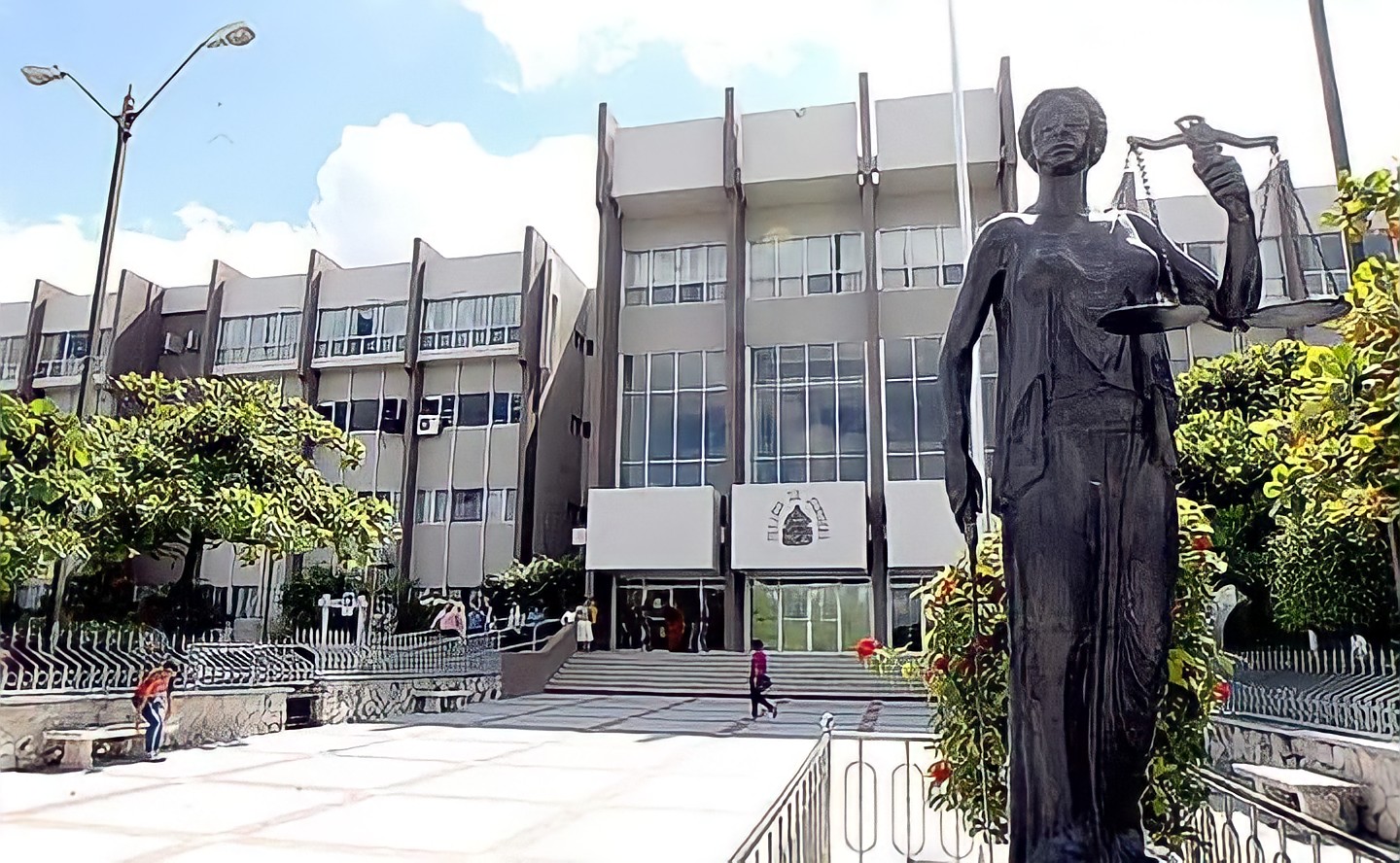
Featured photograph: Supreme Court of Honduras. HnLYC, 2022. Wikimedia Commons, CC BY-SA 4.0.
Honduras’s 2026 anti-gang reforms change prison terms and several rules governing arrest, criminal proceedings, and the serving of a prison sentence. For a family facing an arrest, the immediate questions are what has happened and who can intervene. For counsel, answering them begins with the alleged conduct, the applicable law, and the record of the authorities’ actions.
Extortion and organized violence have serious consequences for the people and businesses affected. Victims need protection and investigations that identify those responsible. Criminal proceedings also require evidence against the individual accused and a lawful basis for the authorities’ actions. Article 89 of the Honduran Constitution continues to recognize the presumption of innocence.
I have reviewed the official text of Decree 258-2026 published in La Gaceta No. 37,282. Several changes deserve particular attention, including detention before judicial oversight, mandatory pretrial detention, and the evidence used to establish an alleged connection to a criminal organization. This article explains the provisions I consider most relevant when discussing a specific matter with counsel.
What the legislation changes
The latest decree follows two earlier measures. Decree 84-2026, published on May 22, amended provisions addressing extortion and terrorist associations. Decree 208-2026, published on September 26, introduced a stricter prison regime and other security measures.
Decree 258-2026 makes further amendments to the Criminal Code, the Code of Criminal Procedure, and the National Prison System Law. The official issue bears the date October 30, 2026. Article 12 of Decree 258-2026 provides that the decree takes effect on publication.
Under amended Article 587 of the Honduran Criminal Code, ordinary members face 30 to 40 years in prison. Leaders and those who direct, promote, or finance the association face prison terms ranging from 40 years to life. Article 588 of the Honduran Criminal Code provides 20 to 30 years for collaboration without membership, with increased penalties in the circumstances it specifies. Fines also apply.
With penalties of this magnitude, the conduct alleged and the person’s alleged role need to be identified precisely. An accusation of membership raises different questions from an allegation that someone provided premises or a service. The evidence must be examined in light of the conduct and role attributed to that person.
48 Hours Under the Procedural Code, 24 Under the Constitution
Amended Article 285 of the Honduran Code of Criminal Procedure allows 48 hours from arrest or apprehension to place a detained person under the competent court’s authority in cases involving terrorist association, drug trafficking, kidnapping, and extortion. The provision classifies these investigations as complex.
The ordinary constitutional rule in Article 71 of the Honduran Constitution sets a 24-hour limit for placing the person under the authority competent to hear the case. In my view, extending that period through ordinary legislation creates a direct conflict with the constitutional limit. Investigative needs must be addressed within the authority the Constitution permits.
Counsel will need to establish when the arrest occurred, which authority retained custody, and when the person was placed under the court’s authority. If the authorities also rely on a suspension of constitutional guarantees, its validity and scope must be checked for that case. Reviewing the actual custody record is essential to assessing the issue.
The Reasons a Court Must Give for Pretrial Detention
Amended Article 184 of the Honduran Code of Criminal Procedure requires pretrial detention on the court’s own initiative in the circumstances it describes, based on reasonable indications of the offense and the person’s involvement. Article 186 of the Honduran Code of Criminal Procedure restricts review for the offenses it identifies, while retaining an exception for duly substantiated cases.
The legal issue is how detention is justified while criminal responsibility remains to be determined. In López Álvarez v. Honduras, decided in 2006, the Inter-American Court of Human Rights required an individualized assessment of pretrial detention. The Court addressed automatic pretrial detention again in García Rodríguez et al. v. Mexico in 2023.
In my view, a decision keeping someone in custody must explain why detention is necessary in that person’s case. These decisions provide grounds for examining that justification and supporting the appropriate applications. The court’s reasoning must address the facts in the case before it.
Tattoos, Expert Evidence, and Alleged Membership
Article 587 of the Honduran Criminal Code criminalizes membership itself and characterizes it as a continuing offense. It provides that membership may be established through characteristic tattoos, symbols, or visual expressions identified through specialized expert analysis or assessment matrices, referred to in the statute as matrices de asociación, recognized by the competent authorities.
The legal work is to assess what the evidence establishes about the person under investigation. That includes the meaning attributed to a symbol, its context, the identification method, and the other evidence in the record. Any expert report needs to be read and evaluated with those questions in mind.

Article 588 of the Honduran Criminal Code contains an important express requirement for collaboration: actual intent and full awareness of furthering an unlawful act. Where an investigation concerns a rental, transportation, or a technology service, what the person knew and intended is part of the legal analysis.
Article 587 of the Honduran Criminal Code also criminalizes specified conduct involving visual expressions and graffiti referring to these organizations and applies the prison terms prescribed for ordinary members. The conduct alleged and its context require close examination. Anyone facing such an allegation should obtain advice based on the case and its supporting records.
Judicial Oversight of Searches
Amended Articles 177 and 212 of the Honduran Code of Criminal Procedure permit urgent entry without prior judicial authorization during operations involving multiple agencies and coordinated with a prosecutor, subject to the evidentiary conditions described in the provisions. The grounds for urgency need to be capable of explanation and review.
I see a question here that warrants closer scrutiny. The preamble to Decree 258-2026 refers to subsequent judicial review, but the amendments to Articles 177 and 212 of the Honduran Code of Criminal Procedure do not set out a specific deadline or procedure for that review. An actual search must be assessed under those provisions, the remaining procedural rules, and the constitutional guarantees.
The text retains a judicial order requirement in the circumstances it describes involving political offenses, senior public officials, elected officeholders, and former officeholders. The justification and scope of that distinction also warrant legal scrutiny.
Sentencing and Eligibility for Release
These reforms affect both the proceedings before a conviction and the serving of a prison sentence afterward. Amended Article 81 of the Honduran Criminal Code excludes pre-release, conditional release, and other measures it describes as procedural simplification for people convicted of participation in offenses related to terrorist associations.
Article 97 of the Honduran Constitution permits life imprisonment. The application of a particular sentence still requires examination of the offense, the person’s proven role, and the rules determining which law applies to the alleged conduct. Restrictions on release and the conditions of imprisonment also call for professional review.
These amendments are recent, and attorneys will need to follow the courts’ interpretations as decisions are issued. In assessing a matter, I consider it essential to review the date of the alleged conduct, the charge, and the procedural history. Those details help determine which provisions apply and which issues the court needs to address.
When to speak with an attorney
If you receive a summons, learn that you are under investigation, or have a family member detained, seek legal assistance promptly. An attorney needs to know what has happened and what action is pending to determine the appropriate response. An arrest requires immediate legal attention.
Victims of extortion or threats may also need advice about protection, reporting, and the progress of a case. The appropriate course depends on their circumstances and the information available.
Honduran law provides a remedy known as exhibición personal, or habeas corpus, for unlawful deprivation of liberty and certain abuses in detention. The Constitutional Justice Law allows the affected person or someone acting on their behalf to bring the action without a power of attorney or formal pleading requirements. Whether the remedy applies should be assessed as soon as the circumstances become known; some situations require immediate action.
If you already have counsel, discuss how these amendments may affect your matter. If you need a consultation, I am available to assess your circumstances and explain the steps that may be appropriate. I am a Honduran attorney based in Roatán, Bay Islands, and provide consultations in English and Spanish.
This article provides general information about the amendments reviewed as of November 9, 2026. Advice and representation depend on the facts, documents, and agreed scope of the matter.
Sources
Decree 84-2026. La Gaceta No. 37,148, May 22, 2026.
Decree 208-2026. La Gaceta No. 37,256, September 26, 2026.
Constitution of the Republic of Honduras. Articles 71, 89 and 97.
Ley sobre Justicia Constitucional (Constitutional Justice Law). Articles 13–19.