By Kelvin Sinforiano Martínez Bonilla, Attorney at Law · Roatán, Honduras · Updated October 24, 2026
If you want to move to Roatán, Utila or Guanaja, start by looking at how you will obtain residency in Honduras. Your nationality, income, family ties and plans for living here are the first things to establish.
You should also know which documents to obtain before traveling, what to budget for the application and how to keep your stay valid while it is being processed. Working through these details early can save you additional paperwork, trips and expenses.
This guide covers the main residency categories, accounts from people who have lived in Roatán and attorneys you can contact for assistance.
Residency in Honduras: Your Options for Settling Here
Honduran immigration law applies when you settle in the Bay Islands. Your application must be based on circumstances you can document.
Pension-Based Residency: Pensionado
You may apply under this category if you receive a permanent, stable pension from abroad of at least US$1,500 per month. You must document its source and receipt in Honduras as required.
Income-Based Residency: Rentista
This category is available to applicants who can document lawful, permanent and stable income of at least US$2,500 per month, generated in Honduras or abroad. Your records must establish where that income comes from and that it continues.
Investor Residency
This category is for foreign nationals investing capital in lawful economic activities or financial instruments permitted by Honduran law. The general minimum investment is US$50,000. You must document the investment and meet the applicable project requirements.
Residency Through Family Ties, Marriage or a Recognized Unión de Hecho
Honduran law provides routes for certain relatives of Honduran nationals and residents, as well as through marriage or a legally recognized unión de hecho. The relationship, any dependency and the immigration or nationality status of the family member determine what you must establish.
The Inmigrado Category
If you have lived lawfully in Honduras for five consecutive years, the long-term residence category known as inmigrado may be relevant. The review includes whether your residence or special stay permit cards remained valid throughout that period, your renewals, travel history and compliance with the legal requirements.
Residency in Exceptional Circumstances
Ministerial Agreement 374-2025 governs applications based on qualifying financial, employment, family or other exceptional circumstances. It covers certain applicants who do not meet the requirements of the ordinary categories. Approval depends on the supporting evidence and the authority’s assessment.
If something about your circumstances needs further review, identify it before collecting documents or paying for an application. An initial assessment should explain the proposed route, the evidence required and any questions that still need to be resolved.
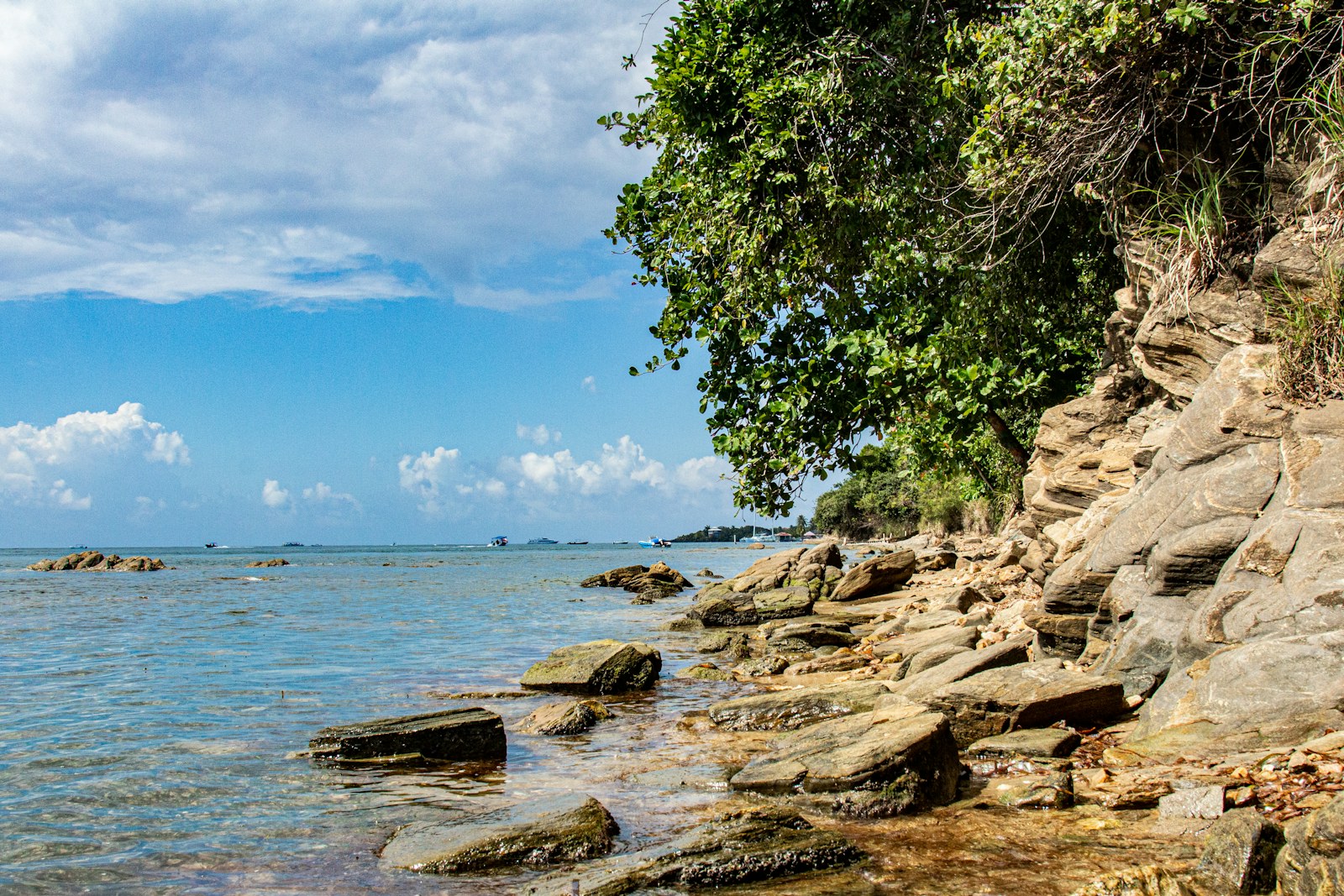
Roatán coastline: Luis Desiro / Unsplash.
Work, Study and Other Activities
Honduras also provides special stay permits (permisos especiales de permanencia) for activities such as employment, study, professional practice and religious work. When planning your move, describe what you will do, who will employ or host you and how long you expect to stay.
That information helps determine the authorization you need. Include everyone moving with you from the outset, because each family member needs an appropriate immigration status.
Prepare a separate file for each family member. The general financial thresholds in this guide relate to the categories described; requirements for accompanying relatives and dependents must be reviewed individually.

Illustrative moving photograph: SHVETS production / Pexels.
Documents to Gather Before You Move
Ask for a document checklist based on your nationality, where you live and the category you intend to apply for. The initial review will generally cover your passport, criminal record certificates, medical certificate and evidence of income, investment or family ties.
Before requesting a document abroad, confirm who must issue it, how recent it must be, whether it requires an apostille or legalization and how its Spanish translation must be prepared. If you are moving with children, review their documents and any required parental authorizations as well.
Keep a clear digital copy of every document and a record of where the originals are held. Check that names and dates match across your records. Resolve discrepancies before submitting the application.
If your documents come from several countries, organize them by issuing country. A criminal record certificate, pension statement and family record may involve different authorities. Ask which steps you must handle personally and which your representative can complete.
Budget separately for attorney fees, government charges, translations, certificates and travel. Ask what the service includes and which additional expenses may arise during the process.
Keeping Your Stay Valid During the Application
Keep your stay valid by obtaining the extensions required while the application is pending. Track expiration dates and completed steps until your application is decided and you complete registration.
Request a copy of the application, proof of filing and the case number once assigned. Agree on how you will receive updates, who will respond to an official request for additional information and whom to notify if you move or need to travel.
After Approval: Registration, Your Card and Renewals
Once you receive the decision, review registration, issuance of your residence card and renewal requirements. Keep those records with your entry and departure history.
Before leaving Honduras, ask how the trip could affect your application or resident status. Provide your planned travel dates and confirm whether you need authorization. If your income, family relationship or activities change, have the conditions of your stay reviewed.
What Changes When You Start Living on the Island
Other residents’ accounts can help you identify questions to address before relocating. Some describe a life they want to maintain; others explain difficulties that led them to change jobs, adjust their budgets or move elsewhere.
Positive Experiences
Kathy and Chip, who write KatchiRoatan, documented their home search and retirement preparations. In April 2025, they reported that opening a bank account went more smoothly than they had expected. They had researched the requirements and arrived prepared.
The notes for the Retire There episode featuring Ted and Kathy Bergman describe their appreciation for the Roatán community alongside frustrations with insects and roads. Their account raises everyday considerations worth including in your planning.
Difficulties and Changes of Plan
Rika, the author of Cubicle Throwdown, describes enjoying her diving work while also struggling with income and adjustment. She recounts taking a hotel management job when she needed another source of income and deciding to move to Japan after four years.
In the same post, she acknowledges initially working without the appropriate immigration status and describes the time and expense involved in regularizing it. She also recalls people returning home after their plans on the island did not work out. This is her personal account, published in 2016.
The comments on Rika’s post also show how much preparation some people undertake: one reader said he had spent five years planning his move. Each account starts from different circumstances. Reading several can help you identify what to investigate for your own situation.
My practical recommendation from these accounts is to set aside money for unexpected expenses and keep an alternative plan if your income or circumstances change. If possible, spend time on the island within the conditions of your entry permission and consider your daily routine: housing, transport, food, medical care and staying in touch with family.
These accounts concern Roatán. If you plan to live in Utila or Guanaja, research the services, travel arrangements and living costs you will need there.
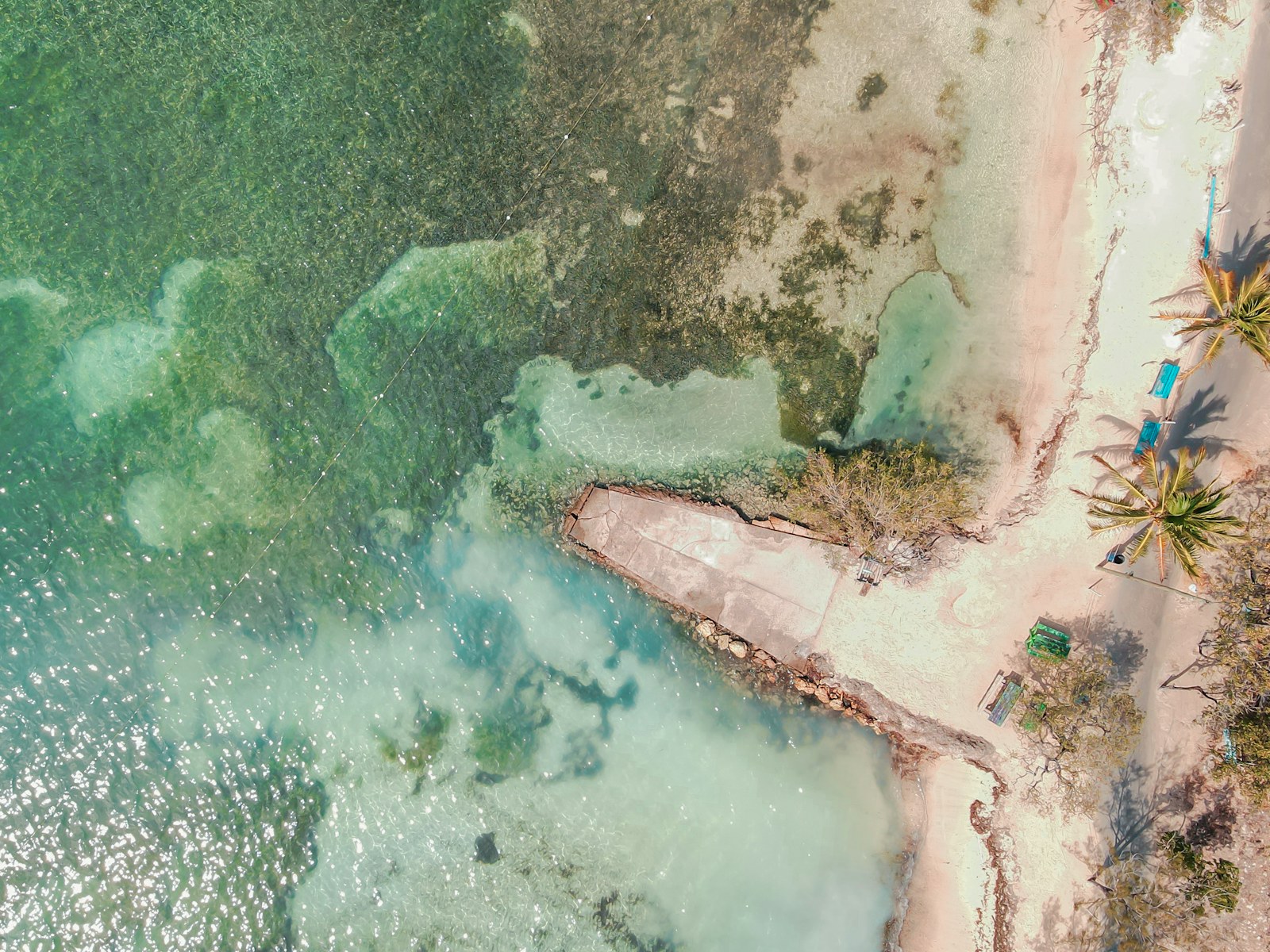
Utila beach: Héctor Emilio Gonzalez / Unsplash.
Choosing the Attorney Who Will Handle Your Application
Attorneys in Roatán handle immigration matters and have publicly available recommendations. You can review their services, ask about availability and discuss the application they propose for your circumstances.
Lissa Asfura, Residency Honduras. Roatan Real Estate expressly recommends her residency services. Her firm’s website also publishes client accounts that mention document instructions and application follow-up. You can find information at Residency Honduras.
Alejandro Tugliani, Tugliani & Tugliani. The firm’s website includes client accounts covering residency applications and other legal services in Roatán. You can review his professional profile and the firm’s information to learn about its services and discuss your circumstances.
The reference to Lissa includes a recommendation published by a real estate business. Client accounts concerning both firms appear on their own websites. Read those experiences and speak with the professional you are considering.
Before deciding, ask who will handle your file, which documents you must provide, what the quoted fees cover and how you will receive updates. You can also read my guide to questions to ask before hiring an attorney in Roatán.
What to Bring to Your First Consultation
Write down your nationality, where you currently live, your available income, who will move with you and what you plan to do in Honduras. Gather the documents you already have and flag any upcoming travel or immigration expiration date.
Bring questions about estimated processing times, travel while the application is pending, costs and follow-up. If you need assistance in English, confirm that you will understand both the explanations and the documents you must sign. Request a written checklist and written terms for the agreed services.
With that information, ask for an initial assessment and a clear sequence of steps for your circumstances. If you would like to consult me, I practice independently in Roatán and can help review your situation and prepare the appropriate documentation.
General information and the author’s views. Applications and conditions of stay require an individual review of each person’s circumstances.
Legal Sources and Firsthand Accounts
Legislation: Constitution of the Republic of Honduras; Migration and Aliens Law, Decree 208-2003; Regulations to the Migration and Aliens Law; Ministerial Agreement 374-2025, published in La Gaceta on August 23, 2025. Sources are in Spanish.
Institutional information: National Migration Institute, Foreign Nationals Services; INM registration, extension and renewal requirements; SRECI authentication, apostille and translation services. Confirm the operational requirements when preparing each application.
Personal accounts: KatchiRoatan, retirement preparations, November 2024; KatchiRoatan, opening a bank account, April 2025; Retire There, episode 129 show notes, April 2023; Rika, Cubicle Throwdown, July 2016 post and comments.
Attorney references: recommendation published by Roatan Real Estate; client accounts published by Residency Honduras; client accounts published by Tugliani & Tugliani; Alejandro Tugliani’s profile.
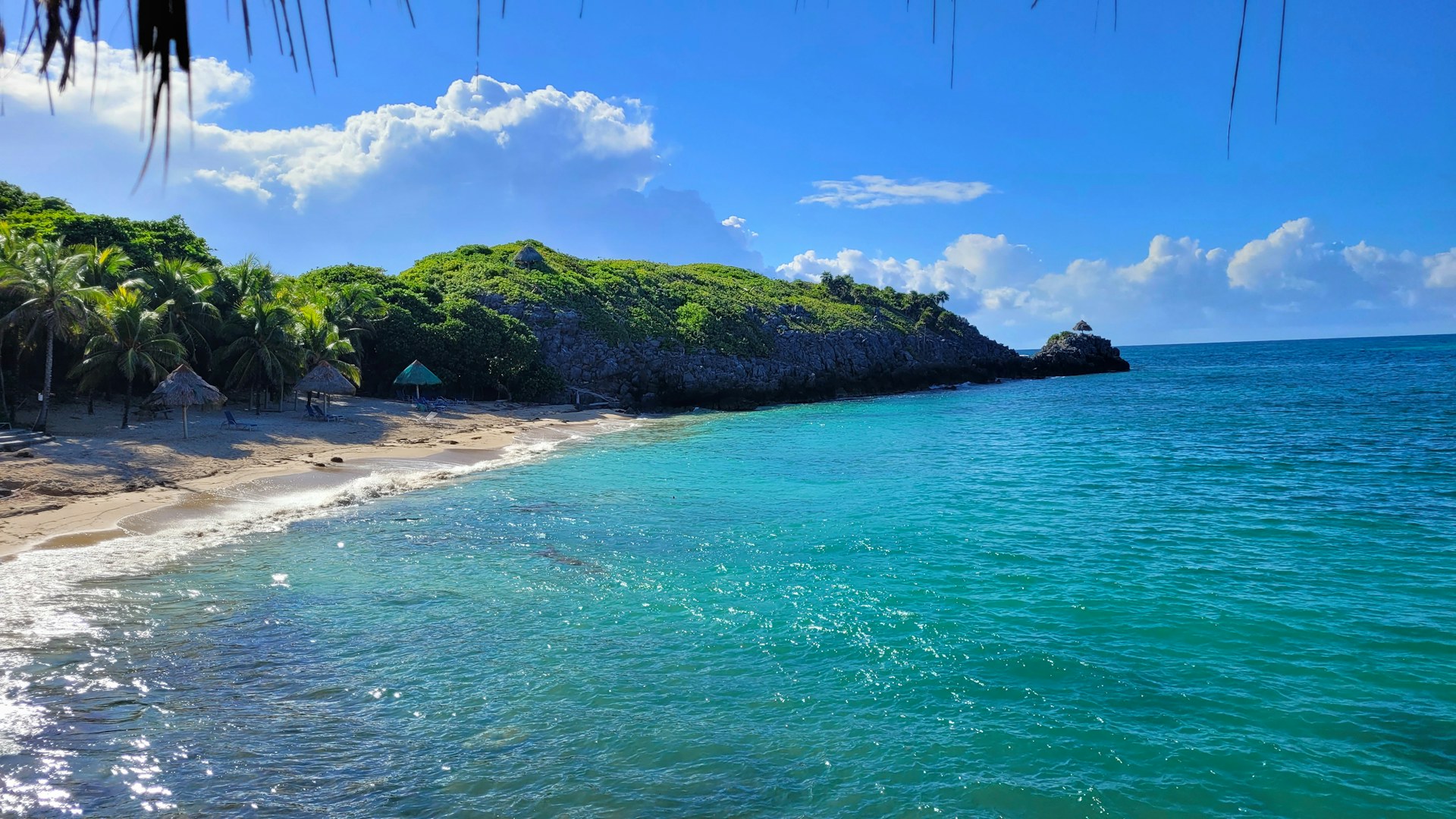
Featured photograph: Chalo Garcia / Unsplash, Paya Bay, Roatán. The landscape photographs show Roatán and Utila; the moving photograph is illustrative.